
Easy Read is a recognised, accessible format of written information.
It has been designed for and with people with a learning disability, but it is also useful for:
- people who speak English as a second language
- people who find reading and writing hard
- people with conditions that affect how they process information, like Dementia.
Examples of our recent work
Easy Read is more than just simple text
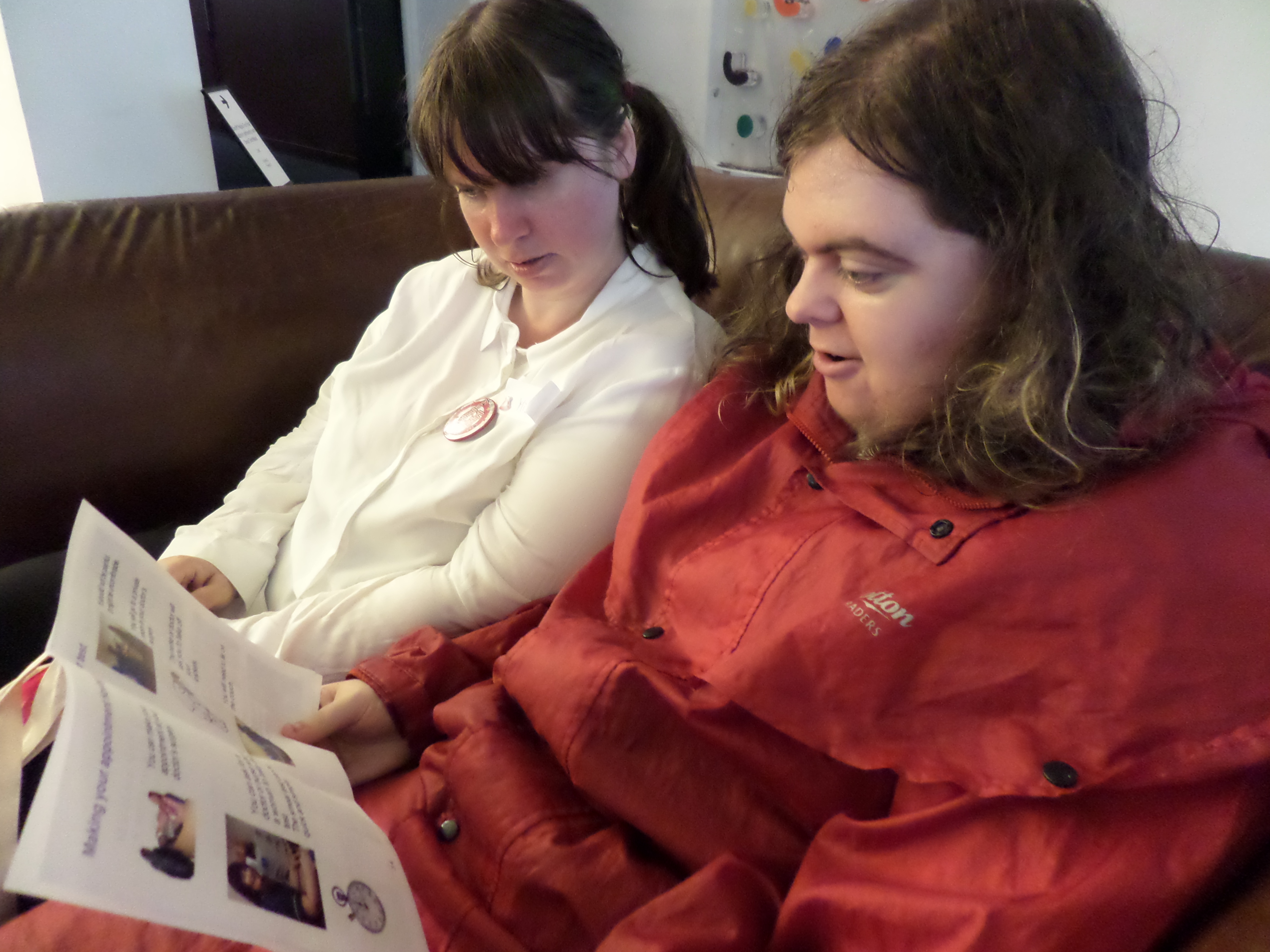
Easy Read uses simple, conversational language in short, clear sentences to break down information. But it’s more than just clear text.
An important part of easy read is the use of supporting images and clear design.
Easy Read uses:
- Short sentences – Each sentence shares just one idea. This helps readers focus and follow the message easily.
- Simple language – Clear, everyday words. Avoiding jargon, technical terms, or complicated phrases, and explaining the ones you can’t avoid.
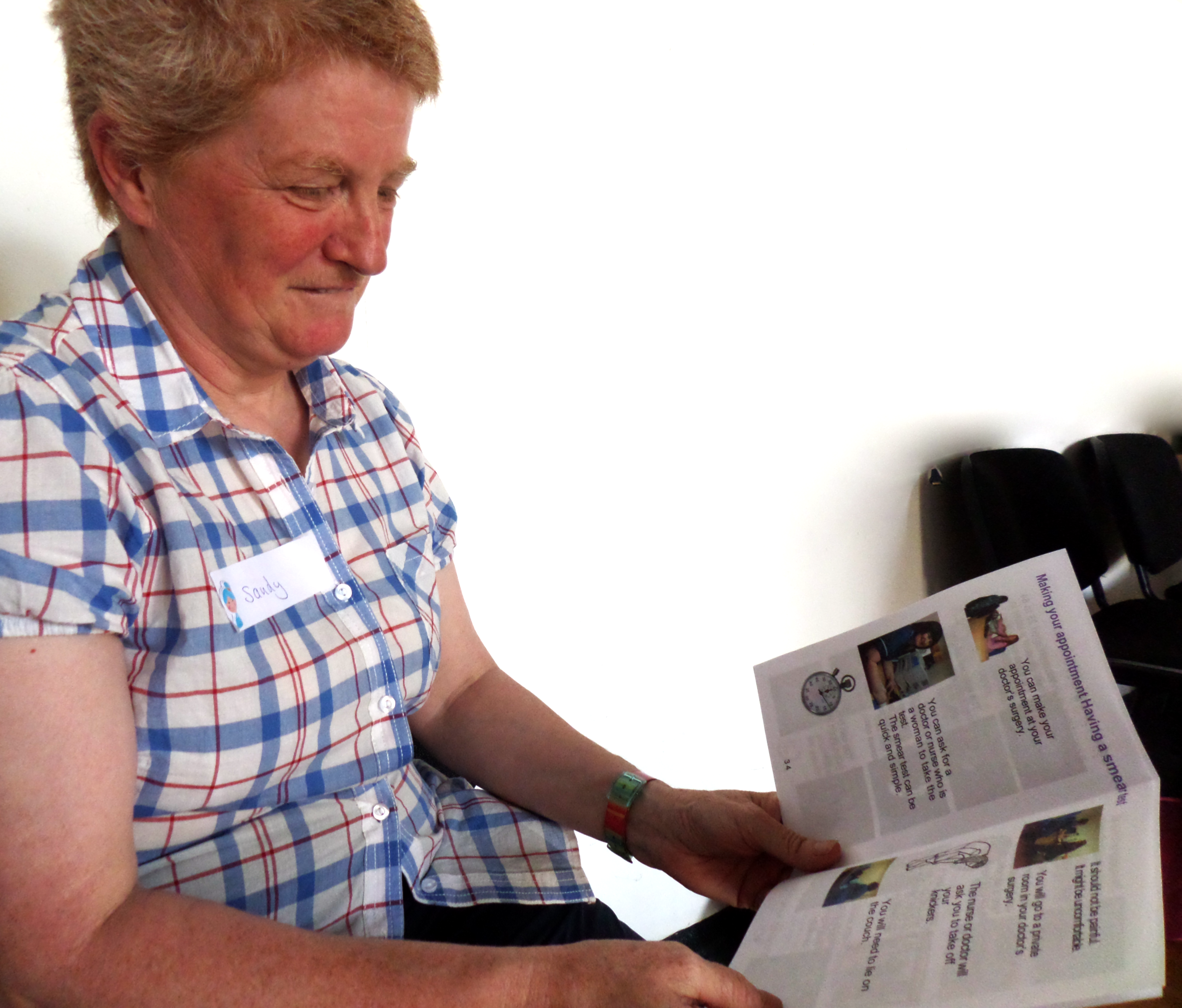
- Supporting images – Pictures or icons are used to explain and reinforce the text. They aid understanding and help explain the content.
- Readable layout – Text should be in a large, easy-to-read font, with plenty of white space and a clean, uncluttered design. This makes reading less tiring and easier.
It’s important to:
- Consider your target audience, including age and location. Use I, we or you and relate information directly to the reader.
- Understand different communication needs and the different ways people process information. Things like adding in background information and using repetition can reduce the need to cross reference within the document, and from the document to real life.
- Identify key messages and structure information logically.
- Use meaningful images that are representative of the target audience and/or content.
- Use design to reduce the burden of reading. Things like having lots of white space between paragraphs can help people who may struggle with concentration, memory, or focus.
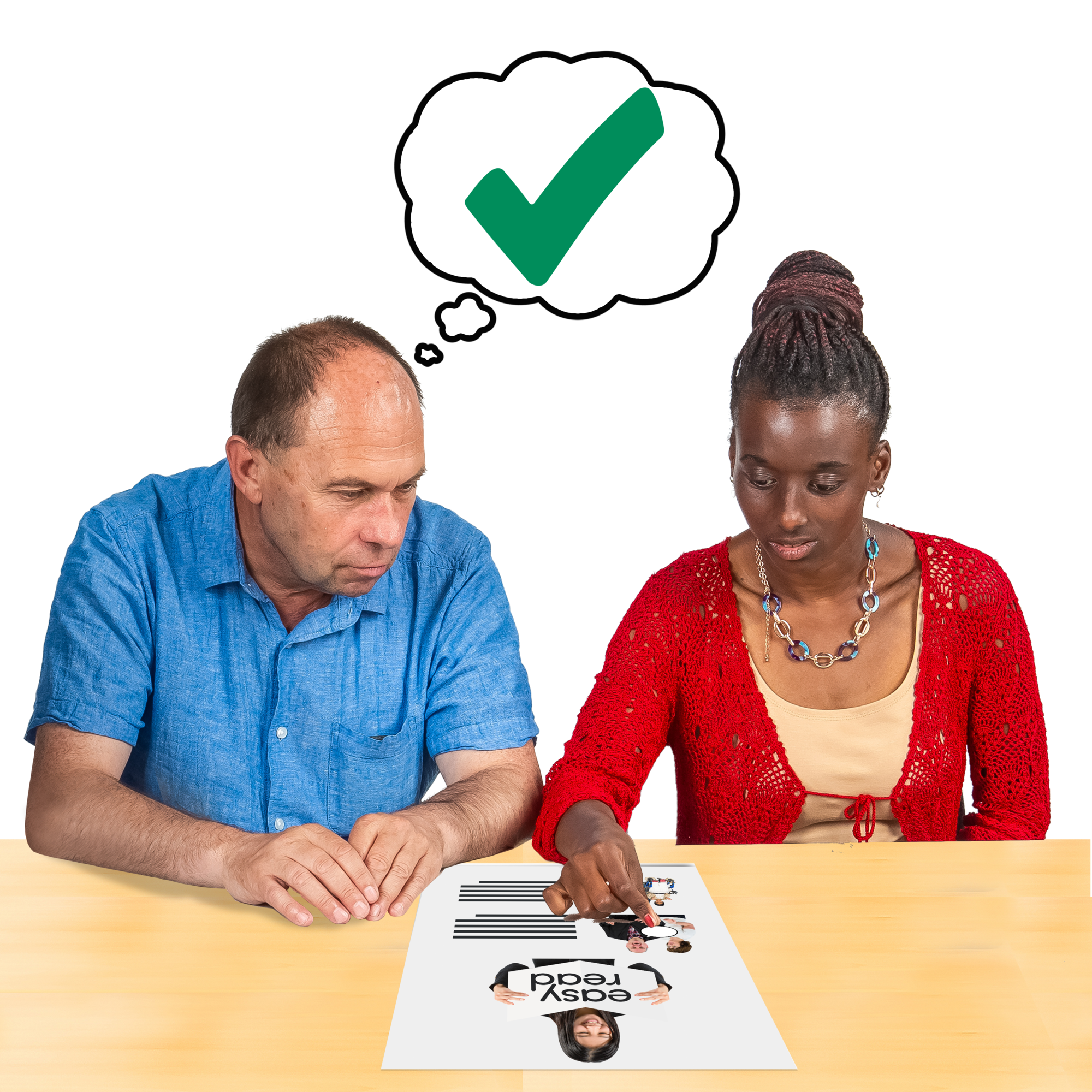
- Check your information with your audience!
Easy Read helps me understand information better and I can process information easier. For example, when I go for meetings, easy read information helps me understand what the meeting is all about and there is less jargon – Georgia M
Easy Read Standards
Currently there is no legal standard for Easy Read. We are working with the UK Easy Read Standards Working Group to change this. You can keep up to date with this work on our LinkedIn page, and through our blogs.
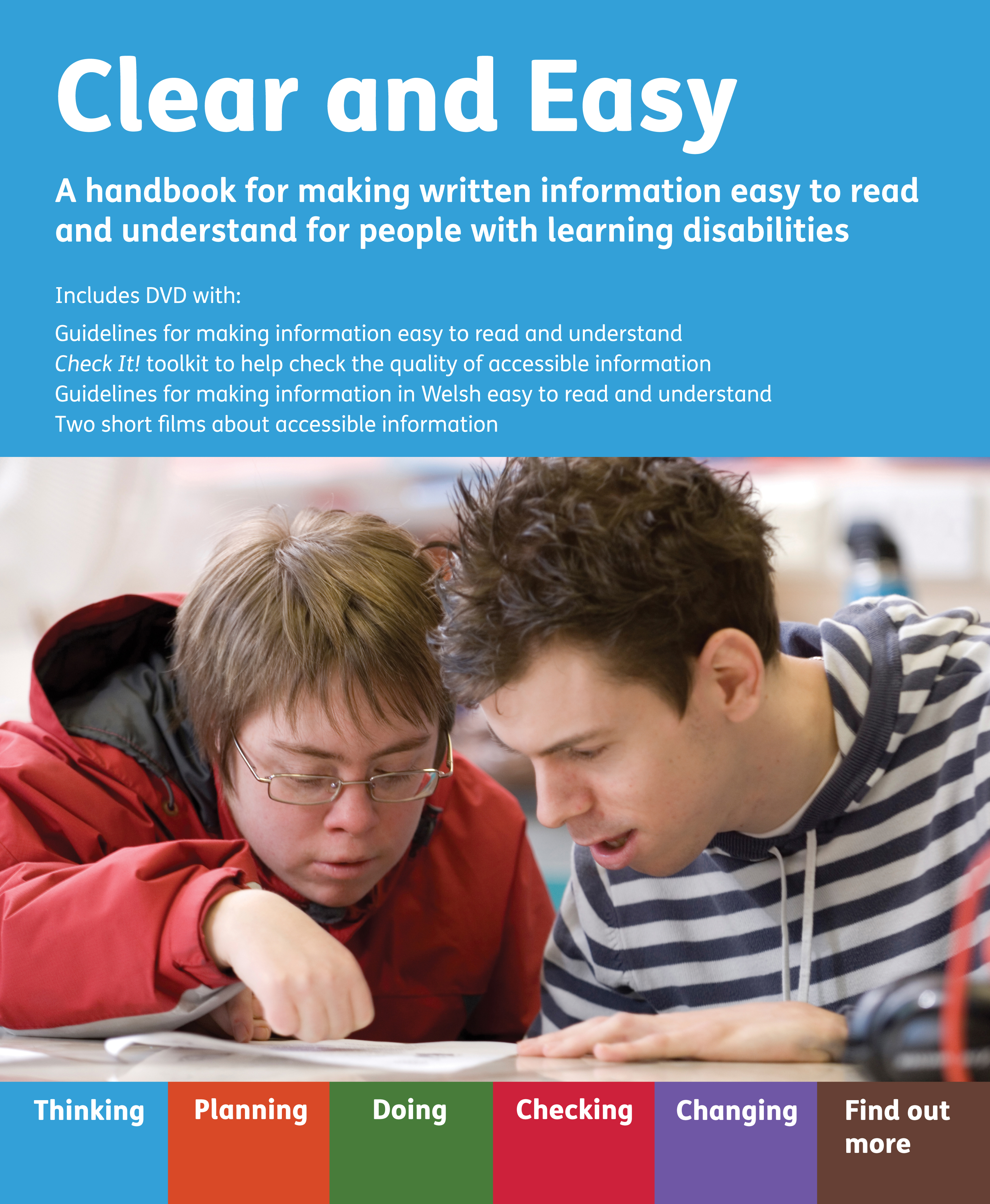
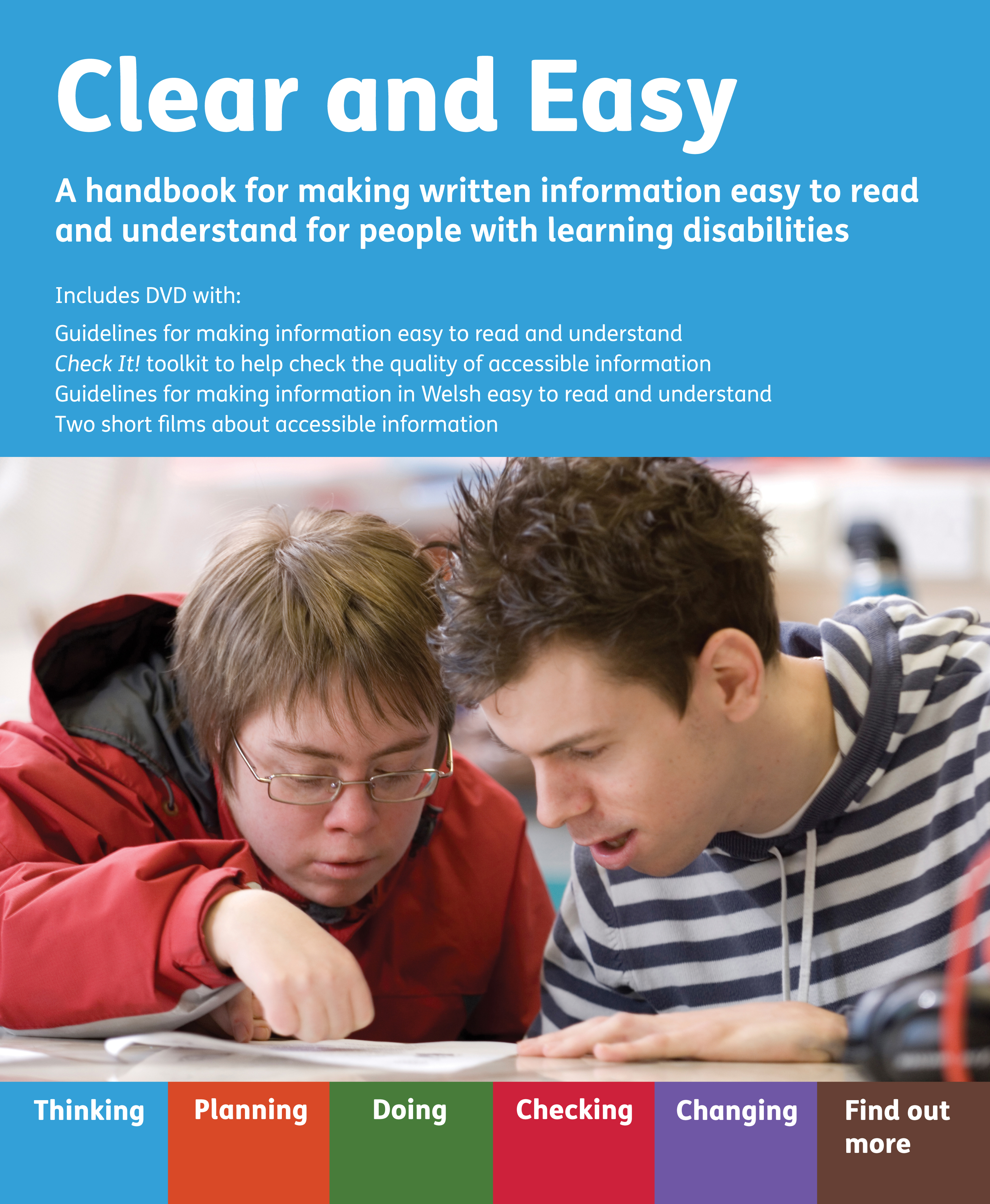
In 2012 we worked with Mencap Cymru and All Wales People First to produce Clear and Easy, a handbook for making written information easy to read and understand for people with a learning disability.
Read our Clear and Easy handbook
We follow the standards set out in Clear and Easy when creating our Easy Read information. Most importantly, we check our Easy Read really works for people with a learning disability by checking it with them.
Why Easy Read is important
The right to accessible information is established in law, including:
- Equality Act 2010
- United Nations Convention on the Rights of Persons with Disabilities (UNCRPD).
This places a legal duty on many organisations to provide accessible information, however accessible information is more than just a legal requirement.
It is good for you and your organisation, it helps you:
- Clarify key messages and streamline processes for everyone.
- Reduce misunderstandings
- Engage more effectively with people
Most importantly, it’s good for people. Accessible information helps people to:
- Be more independent.
- Access services like health, care, and education.
- Participate in decisions that affect their lives.
- Be an active part of their community and workplace.
I have used fliers, letters in easy read. They are good for people with learning disabilities, as they are easy to read. The best part of easy read is that there is no jargon. Easy Read should be used in loads of different places like hospitals, dentists. I can find what I need quickly – Sarah T
Making your information accessible
Creating Easy Read documents yourself can be tricky. Choosing the right words, using clear layouts, and adding helpful images takes time and experience.
Please see our resources page for training tools, guides and tips that can help you make your information more accessible.
We’re here to make it easier. We can create your Easy Read for you, so your information is clear, professional, and easy to understand.
If you need support with anything, please contact us, we’re here to help.
Easy Read is written information that is easier to read and understand.
The rules for Easy Read were made for and with people with a learning disability.
Easy Read also helps:
- people who speak English as a second language
- people who find reading and writing hard
- people with conditions that affect how they understand information, like Dementia.

Easy Read is more than just simple text
Easy Read uses clear, simple words and short sentences.
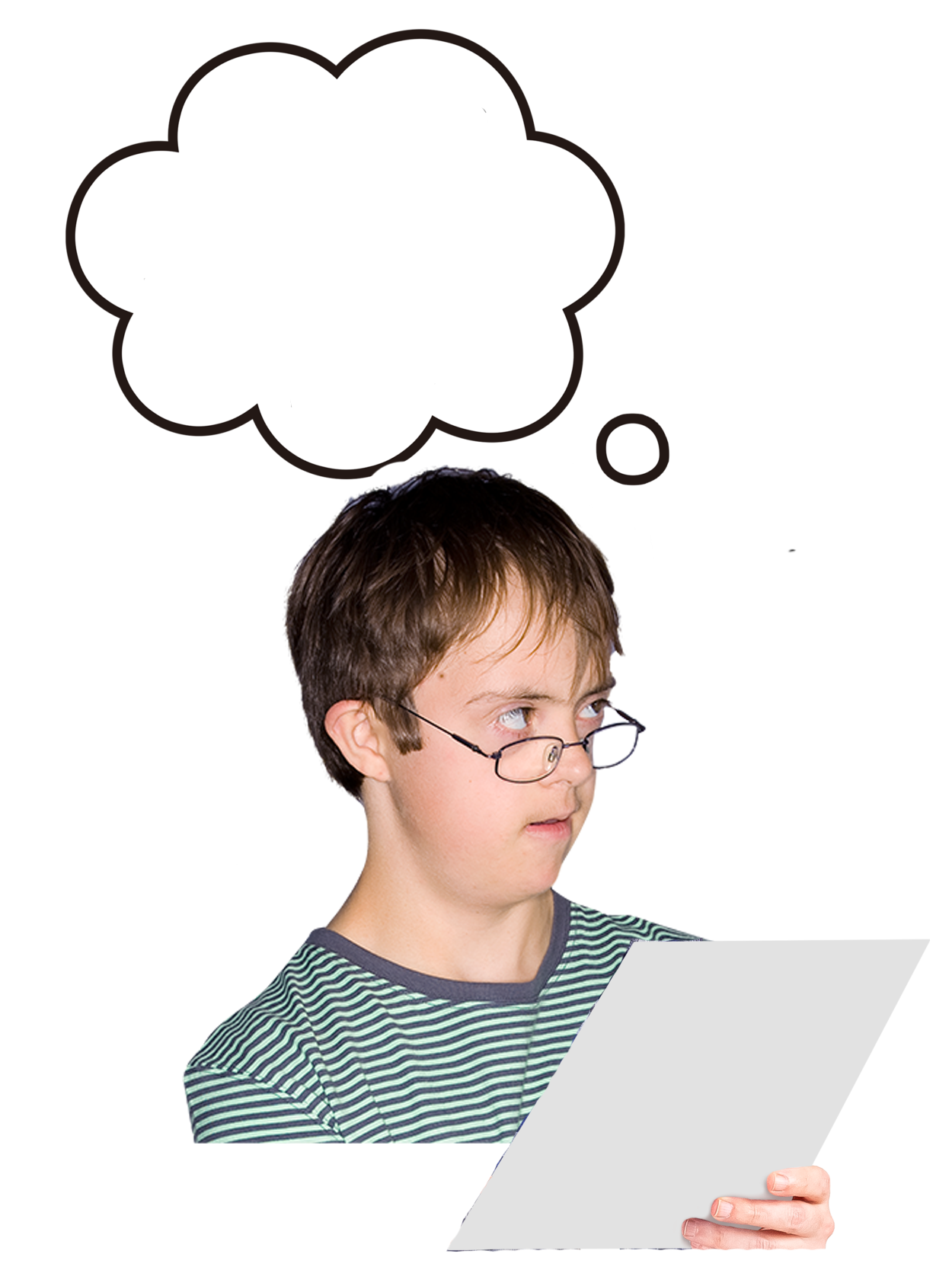
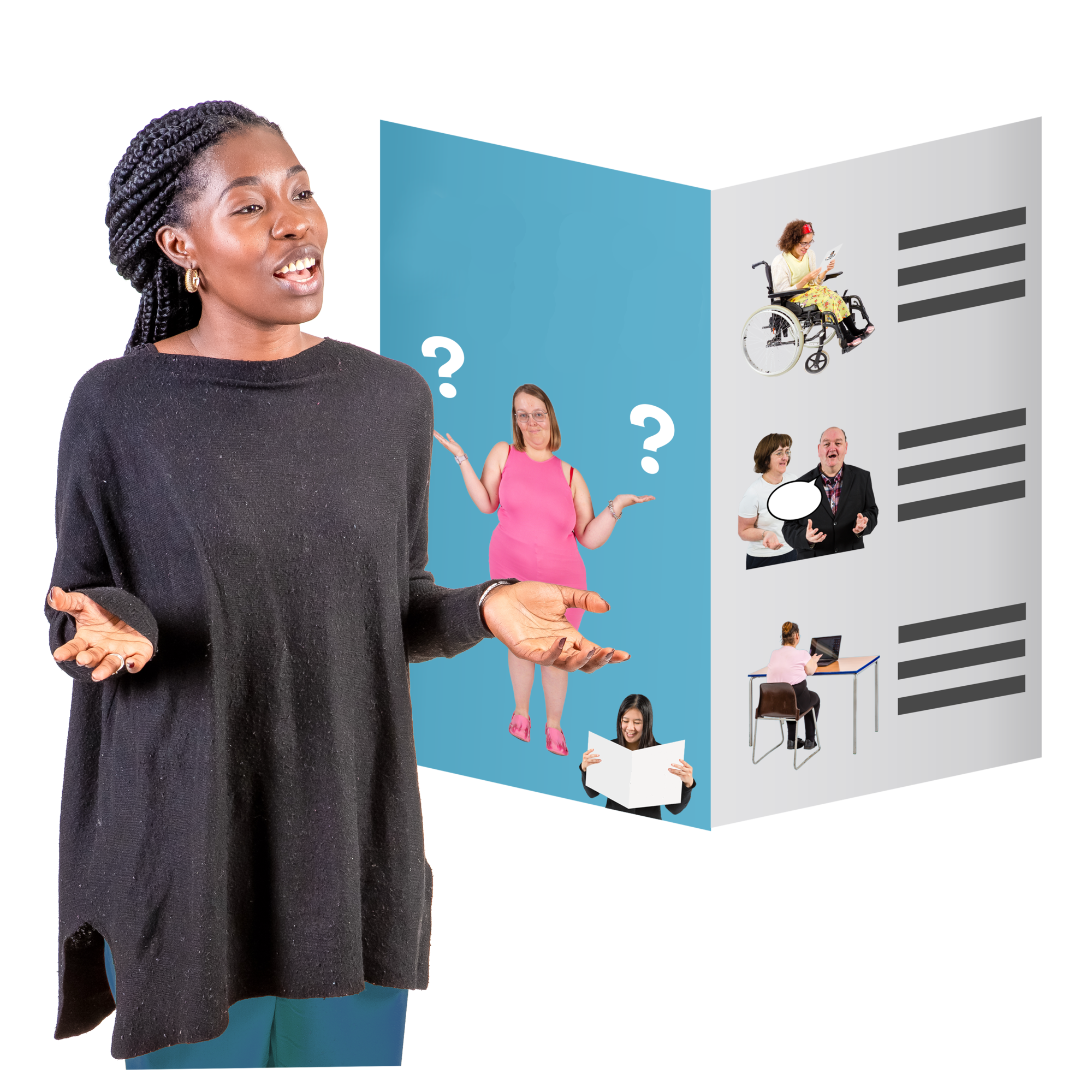
But it’s more than just easy words. Images and good design also help you understand the information.
Easy Read uses:
- Words you use in everyday life
- Short sentences
- Images to help you understand
- Design that is clear and easy to follow
Easy Read standards
We are working with the UK Easy Read Standards Working Group to make standards.
We want everyone to agree on the standards and follow them. So everyone knows what good Easy Read looks like.
You can find out about this work on our LinkedIn page, and on this website.
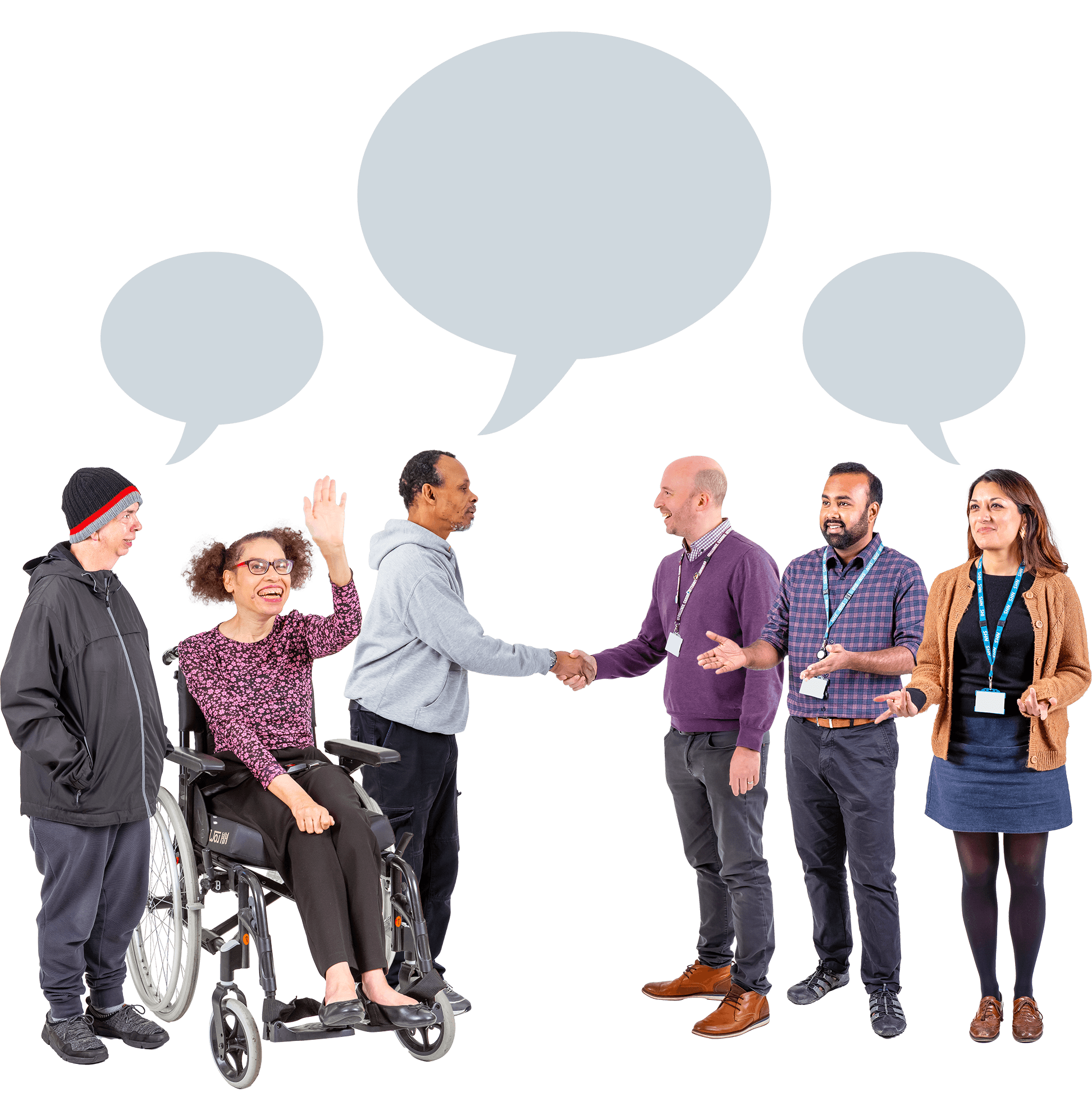
In 2012 we made our own guide to help people make information easy to understand.
Read our Clear and Easy handbook
We follow this guide when making Easy Read.
We check our work with people with a learning disability.
Why Easy Read is important
The law says you have a right to get information you can understand.
Easy Read helps organisations and services work with people.
It helps people understand things like health appointments and the services they should get.
It helps people make choices, take part, and live the life they want.
We can help
 English
  Welsh
Welsh