
Free Easy Read training videos
By Inacia Rodrigues
Do you want to make your communication more accessible?
We’ve just released 4 free Easy Read training videos to support you to create Easy Read information. You can find them in the resources section of our website: Easy Read Wales Resources
If you’re not sure what Easy Read is, you can find out more about it and why it’s important: What is Easy Read?
About the videos
The first 4 videos are part of a series of 8 that cover the basic principles of accessible information and introduce the ‘rules’ for writing Easy Read.
One of our main aims as an organisation is to raise awareness of Easy Read and the importance of accessible information so people with a learning disability have better access to important information they can read and understand.
During the COVID-19 pandemic, we started delivering free online ‘lunchtime taster sessions’ to introduce staff from different organisations to the principles of Easy Read.
We delivered sessions to many staff from the public and third sector. Our new training videos continue this work and offer everyone the opportunity to access a quick, free introduction to Easy Read in a time convenient to them.
The videos include:
- The basic rules for writing Easy Read information
- Helpful tips
- Examples to show how the rules work in practice
- Feedback from people with a learning disability
What’s in the first 4 videos?
- What is Easy Read – This video explains what accessible information is, why it’s so important, and what Easy Read means.
- What are the barriers – This video looks at the challenges people face when trying to access information.
- Words and language part 1 – This video looks at rules and style of language used in Easy Read, like using active and personal language and avoiding hard words.
- Words and language part 2 – This video takes a further look at the words and language we use, looking at things like structuring sentences in a logical order and grammar.
The videos will help you break down the Easy Read process into clear steps.
More training videos coming soon
We will be adding more training videos, our next 4 videos will focus on:
- Using numbers in Easy Read
- Page layout and design
- Supporting images
- Checking your work
If you would like us to let you know when the next 4 videos are available, you can:
- Sign up to our newsletter
- Follow us on social media
- Or keep checking our website
Whilst you’re here, take a look at our other free resources:
- Our definitions dictionary – an alphabetical list of hard words and the definitions we have used to explain them
- Clear and Easy – our handbook for making written information easy to read and understand for people with a learning disability
- Easy Read information – free information we have made about things like asking for Easy Read, Menopause and voting.
- Our recent work – examples of Easy Read covering different subject areas.
We also offer more in-depth Easy Read training, through public and bespoke training courses. Find out more here: https://www.ldw.org.uk/training-events/
Why the need for training videos
We know from our work that making information clear and accessible can make a huge difference in people’s lives. We are passionate about making information accessible to everyone.
The aim of these training videos is to give you the confidence to start creating or improving your own Easy Read and accessible information, and ultimately to support people with a learning disability to get more, high quality accessible information.
Each video is around 4 minutes long, so you can watch at your own pace. You can pause, rewind, or rewatch as often as you like.
Our goal is to make communication more inclusive. People should not miss out on important information because it’s too complicated to understand.
How we made these videos
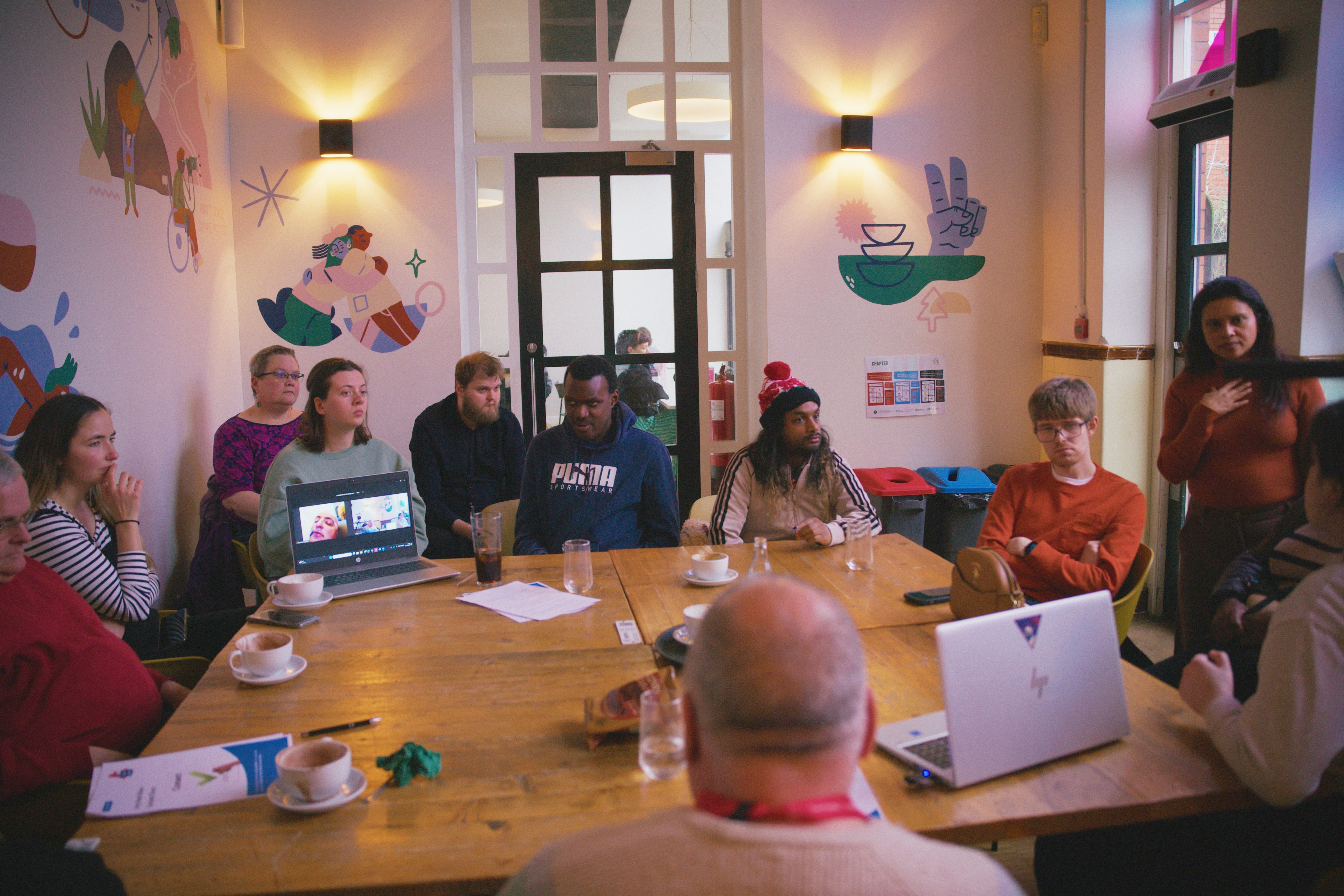
Listening to people
Our training videos reflect the voices of many people who use Easy Read.
We spoke directly to people with a learning disability about their experiences of using Easy Read and the challenges they face when trying to access information. They told us what helps, what makes things confusing, and what truly makes a difference.
Some shared frustrations about information that looks “easy” but still feels hard to understand. Others talked about the importance of clear images, simple language, and having enough time to take things in. Their honesty, insight and practical ideas helped us shape these videos.
Clear and Easy
The training videos are based on our Easy Read guidelines and standards, which we have developed over many years of working alongside people with a learning disability. Everything we share comes from people’s experience, testing, and continuous learning. You can read our in-depth guidelines here: Clear and Easy handbook.
Clear and Easy is a practical handbook for anyone who creates information for people with a learning disability.
It walks you step-by-step through the entire process, breaking it down into four practical stages:
- Thinking: Understand your audience and why the information matters.
- Planning: Organise your content and decide how to present it clearly.
- Doing: Create your Easy Read document using best practice principles.
- Checking: Review, test, and refine to make sure it truly works for the people it’s for.
There are currently no official UK standards for Easy Read. We’re working with organisations across the UK to help change that.
We are part of the UK Easy Read Standards Working Group, a collaboration of over 40 Easy Read providers and researchers from more than 20 organisations.
We are working together to develop a set of recognised UK Easy Read standards to ensure Easy Read is produced to a consistent and high standard. We are currently testing them to make sure they really work for the people they’re designed for.
To keep up to date with this work, visit our LinkedIn page: UK Easy Read Standards Working Group
More about our training videos
1. What is Easy Read – What this video is all about
Our first video will show how Easy Read helps people with learning disabilities:
- Understand important information
- Make their own choices
- Feel included
In today’s world, we all rely on information, it’s so important to make sure our services and information are accessible to everyone.
There are many ways in which we could make our information accessible and one way to do this is by using easy read information. It can especially help people with a learning disability or those who find reading difficult.
In a recent feedback session people said:
“I always have to ask someone to read appointment letters for me, Easy Read helps me to understand things on my own.” – Ian
“I like it when the writing is big. I can read better, wish all document had big writing.” – Aaron
Our feedback sessions with people help us understand that everyone has different needs and Easy Read can help meet some of those needs. It gives people a fair chance to make informed choices and decisions about health, education, work, housing, social life and other services that impact their lives.
2. What are the barriers – What this video is all about
Our second video talks about some of the issues people face. You will also get to hear views from people with a learning disability about the barriers they face in their daily life.
We need information for everything. Whether it’s to apply for benefits, book a doctor’s appointment, vote, go to the cinema, understand your rights or get a job.
Often this information is presented in a way that is confusing and overwhelming, this can mean missing appointments, not getting the right support, or feeling left out of important decisions.
People with learning disability told us about the challenges they face in accessing information.
Some people told us how information on tenancy agreements, bills, or letters made them feel anxious and confused.
Communication can be difficult when instructions, forms or information is presented in complex language or inaccessible formats.
We can break down some of these barriers by providing information in Easy Read. This means people can understand their rights and know what help is out there.
3. Words and language in Easy Read – What this video is all about
We have put together 2 videos – Words and language part 1 and part 2.
These videos focus on the words and language used in Easy Read and how to get them right. We talk about:
- The key rules and style tips to follow.
- Examples of good and not so good language.
Long or complicated words can be hard to read. Even everyday sayings, like metaphors or idioms, can be puzzling if someone has never heard them before.
The way we write really matters. Even small changes in the way we write and the tone of voice we use can make a big difference. Here are some examples:
Complicated:
“Individuals are requested to submit the necessary documentation to the office prior to the designated deadline.”
Easy Read:
“Please give your documents to the office before the deadline.”
Complicated:
“Visitors are advised to refrain from using mobile phones while inside the library.”
Easy Read:
“Please do not use your phone in the library.”
Our Words and Language videos will explore more about the rules around style of writing when making information Easy Read.
Who are these videos for
If you are just starting out or looking for a refresher, these videos are a great way to pick up a few helpful tips.
We hope these videos answer some of your questions and provide you with some practical tips to help make the process easier.
How to contact us
If you would like any further support or have any questions, please contact us:
https://www.easyread.wales/contact-us/
We would also love to hear what you think!
Your thoughts will help shape how we develop more videos in the future.
Please take a look at the videos, share them with others, and let us know how they work for you.
 English
  Welsh
Welsh